Showing posts with label hvac system. Show all posts

Thursday, 23 May 2019

Energy and HVAC Optimization

If you want to provide the right ventilating, heating, and air-conditioning, your electricity bill will go up 20-40%. A proper HVACsystem is important for maintaining a healthy and comfortable interior environment. However, several homeowners look for strategies for reducing their energy cost without the need to sacrifice on the house environment. Here is how to reduce energy bills while enhancing your HVAC system performance.

Image Courtesy: Pixabay
Load Reduction

Load reduction is one of the primary steps for achieving HVAC and energy system optimization. This step usually comprises of a long-range plan that itemizes actions needed to be taken for best return on investment. Decreasing the load on your building helps the HVAC system function more efficiently. 

Here are a few load reduction techniques:

  1. Add extra insulation and tighten the shell of the building. Extra insulation in a building could be a little difficult in certain cases, so it is best to aim towards the exterior shell, particularly doors and windows.
  2. Installation of windows that are energy-efficient. This can work very well for buildings with single pane windows. Double pane windows that have a thermal break are known to be one of the best ROI.
  3. Lighting system upgrade. For maintaining proper levels of lighting, an average building has 2-3 watts of lighting density per square foot. This is one of the biggest reasons for load on an HVAC system. Accent lighting are extremely energy inefficient and must not be used if one wishes to decrease HVAC and energy costs. Lighting systems that are energy-efficient release less heat inside conditioned space when compared to older incandescent technology.
  4. Choose efficient electronic devices and equipment that have power saver option. This will assist in decreasing sensible heat gain within a space. Things to consider are, kitchen equipment, refrigerators and computers.
HVAC Systems

Another step for achieving HVAC system and energy optimization is understanding your system well. Your system is important for your interior environment. At the same time, it also is a big reason for your bill. In case you have a unit, which is older than 13 years, it is best that you decide for an upgrade. Systems that are well maintained have an expectancy of approximately 15 years but they seem to disappoint at the wrong times. Make sure you keep a replacement plan handy for the day the unit fails.

Few tips: HVAC System:

Look for a certified consultant who you can trust. In case you are a house owner, look for a good mechanic or company for evaluating and maintaining the system.

Calculate the HVAC load. You can make use of ACCA's calculation method.

Choose equipment which is sized for your load. Do not buy something that is oversize. Also, you will have to pay more to buy big equipment and also to operate it. Get the equipment and load selection right from the very beginning.

With all these tips you can rest assured that you can make your HVAC and your home energy efficient. However, make sure you choose the services of a reputed HVAC expert for advice.

Friday, 23 November 2018

Working of a Ductless Heat Pump


If you wish to enhance the comfort in your house, a ductless heat pump is one of the best solutions you will find. However, how do ductless pumps really work, and how are they the most efficient option for air conditioning and heating?

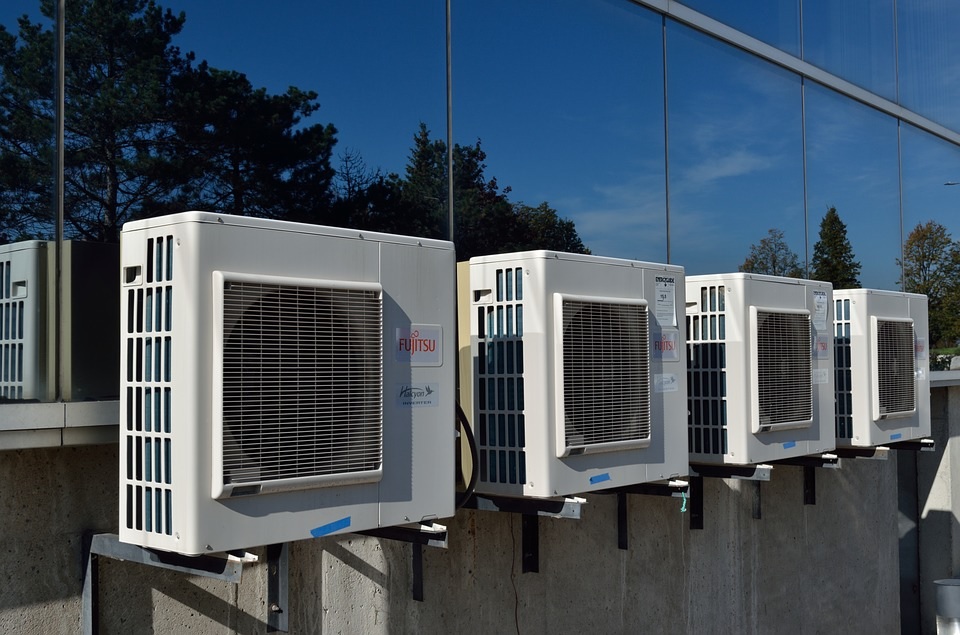
Image Courtesy : Pixabay.com
Working of mini splits:

Mini splits are also popularly known as ductless mini splits or wall-mounted units.Ductless heat pumps come with two parts: an outdoor condenser as well as an indoor evaporator coil.

Heat pumps –ductless and traditional – have the capability of providing heat during winter times and cool air during summers. They are very similar to air conditioners. The only difference is they have a reversing valve, enabling them to work backward by sucking out heat from outside and transferring it inside your house during chilly winter months.

One of the greatest differences between normal heat pumps and ductless ones is that the air is ushered inside through a built-in air handler, which helps to eliminate the requirement for ductwork. Small openings within the wall permits wires and pipes to pass among the outdoor and indoor units, and several interior air handlers can fix to a singular outdoor condenser, helping towards whole-house cooling and heating with no requirements for ducts!

The many advantages of ductless heat pumps:

Energy efficient:

The regular ducted system leads to about 40% decrease in efficiency because of poor insulation and air leaks. On the other hand, the losses in energy connected to ductless cooling and heating is about 1 to 5%.

Ductless pumps are also better at keeping the house heated when temperatures drop outside in comparison to conventional heat pumps. You can enjoy constant indoor comfort.

Less intrusion

Ductless heat pumps offer heating and air conditioning, making them a lot more useful in comparison to window ACs. This is particularly true if you reside in an old house with no ductwork, and you are not ready to bear the expenses and hassle of getting ducts installed.

Cleaner air

Ductwork is one of the greatest sources for air pollution indoors, within homes with regular HVAC systems. Mold spores, dust, insulation particles, and the like,get inside the ductwork and flow from one room to the next. Alternatively, ductless heat pumps offer state of the art filtration for purifying the air before dispensing it in the living area, getting rid of almost 99.9% of contaminants in the air.

Built-in Zoning

Segregating a house into different sectors helps in controlling sections on an individual level for enhanced energy savings and comfort. When it comes to ductless heat pumps, there is a built-in zoning system. All you require is a single outdoor condenser which is joined to indoor air handlers. Handheld controls help to change airflow settings and temperature for individual units all through the house.

If you want affordable, comfortable, whole-house cooling and heating without ductwork, it is best to get in touch with a skilled HVAC expert who has the right knowledge and expertise in dealing with ductless units.

Monday, 24 September 2018

How Much Does Ductless Air Conditioning Cost?

Do you wish to add an air conditioning unit to your house without the pricy ductwork? Ductless air conditioners are a great option when compared to window AC units. They are less obtrusive, a lot more efficient, and permit you to open the windows during pleasant weather conditions. Ductless AC also offers heating during winters!

The money you may have to pay for buying and installing ductless air conditioning ranges from USD 3,000 to approximately USD 5,000 or even more. This price is greater than a normal window air conditioning unit, but a lot less than the central air conditioner, particularly if you have no ductwork. How much the entire system will cost you will depend on several factors such as,

Image Courtesy : Pixabay.com
Cooling needed:

Do you wish to air condition and heat the whole house, or just a room? What kind of house do you reside in? Is it a ranch-style home or a comfortable condo? The greater the square footage, the greater and costlier the ductless system can get.

A ductless, one-room air conditioning unit comes with a singular air handler connected with a condensing unit outside through a tiny hole within the wall. You can connect multiple air handlers with a single outdoor unit, which permits you to cool the entire house while saving heavily on the cost of installation in comparison to central air conditioning.

System Efficiency

Different systems have different efficiency rating. This helps in estimating operating costs. High-efficiency equipment can cost a lot upfront, but can decrease your electricity bills for several years. This ensures that the investment is actually worth it.

Hourly Rate and Installation Time

One of the costs of installation is labor. Installation entails a professional to put the indoor unit over the wall and place the outdoor system on a slab within the yard. It is also important to cut a hole within the wall for running refrigerant lines, electrical connections, control wiring between the outdoor and indoor units.

While the process of installation is extremely straightforward, it may take time, and the professional has to be paid for it. Remember, the labor and time costs needed for performing the job go up if there is also a need to remove the existing equipment. The good thing is, the installer can get rid of the older system.

Power Requirements

Outdated home wiring should be up to date if you wish to install a new HVAC system. This will necessitate you to employ the services of an electrician for adding a new circuit or an outlet. However, this will add to the installation cost in general.

For the best home cooling solution with no ductwork, ductless air conditioner is the most efficient.  However, it is best to hire a good HVAC expert for advice and installation.

Friday, 23 March 2018

Do not load your HVAC

A compressor is extremely important to ensure the cooling and heating of your home. By pumping coolant into the system, it produces heat as a standard part of operation. However, in case it gets very hot, it will shut down.

Image Courtesy : https://pixabay.com/
Overloading of the compressor:

Overload of AC compressor is extremely common reason for malfunction, and normally happens on the coldest or hottest days, when the HVAC is working round the clock. It’s accountable for almost 50% of component failures. This is a very serious issue – and can also be very expensive if it develops into compressor failure. Pertaining to the system’s age, it may require complete replacement of the system.


Compressor Burn out - Causes:

The main cause of compressor burnout is bad installation, neglect, and maintenance, including…

1.     Dirty condenser coils.
2.     Dirty air filters.
3.     Undercharged or overcharged refrigeration system.
4.     Leaks in the refrigerant.
5.     Moisture within the refrigeration system.
6.     Added heat sources situated close to the condenser.
7.     Improper airflow.
8.     Lack of airflow from debris.
9.     Other failures.
10. Loose corroded wires and insufficient electrical supply inside the house, leading to low voltage problems.

How to prevent compressor overloads from damage?

Do not neglect maintenance.

It is a good idea to change the air filter quarterly. Clear all debris from the external system, keeping a clearance of 18-36 inches at all sides, and about four feet above.

Hire a trusted professional.

If you want your HVAC to be properly installed make sure you hire a professional. It is also advisable to undergo routine seasonal maintenance such as, verifying the refrigerant levels, connections and lubrication, operation confirmation, coil cleaning, and the like.

Consider extra protection.

If you add a compressor overload protector, it can secure your HVAC system. Situated close to the condenser, this superior sensor observes temperatures, and shuts the compressor down temporarily for preventing it from overheating. If you turn off the system to let the compressor cool, it can prevent any overload and warn you against problems that may otherwise become very expensive.

In case you have a compressor which is overheated, it is extremely important to uncover why, and not just replace components as that could lead to a repeat. In case your HVAC has experienced increased overheating, make sure you seek help, before it gets too late.

With just a little effort and knowledge, you can make sure that your system runs smoothly and efficiently. It is also a good idea to hire a professional HVAC expert who has the knowledge and expertise to keep your system from running smoothly. Do not neglect HVAC maintenance if you wish to spend less money repairing the system.  

Friday, 23 February 2018

Using a Humidifier

If you are living in a cold climate, you most likely deal with low humidity levels every winter. It is difficult for cold air to hold moisture, so your house dries out naturally this time of year. The best solution is running a humidifier.

Image Courtesy : https://pixabay.com/
What are humidifiers?

The main purpose of this equipment is to enhance the levels of humidity in an interior space. Essentially, there are two kinds of humidifiers:

Portable humidifiers: these are small enough and can be set on the tabletop. There is a water reservoir that can be refilled periodically for keeping the humidifier running. This is the best option if you wish to humidify just one room in the house, like your bedroom.

Humidifiers for the entire house are installed within the HVAC system and they work together with your furnace. The output of the water is controlled by the humidistat, connected directly to the plumbing. While these units require professional installation, their end result is good, with homes that are evenly humidified.

How do humidifiers really work?

There are various kinds of humidifiers, with each working differently:
             
       1. Evaporative humidifiers: these humidifiers feature a wicking filter and a cold-water reservoir. Air is blown over the filter through a fan. The filter in turn absorbs water, vaporizing the moisture then sending it only at regulated rates.

       2. Impeller humidifiers tend to toss water into a comb-like diffuser from a spinning disc. This separates the water in tiny droplets that puff into the air.
     
       3. Ultrasonic humidifiers work silently with the use of a metal diaphragm that shakes at a very high frequency to create a cool mist.

      4. Vaporizers or steam humidifiers boil water and tend to release the warm steam in the air.

What are the benefits of humidifiers?

Here are a few ways humidifiers benefit you in the winters:

      1. Keep healthy: Humidification assists in decreasing the spreading of germs in the air. Balanced humidity also helps in easing congestion and helps you recover from illnesses.

     2. Sleep well: when you keep your room in comfortable humidity level you are able to sleep soundly and get up feeling relaxed instead of dried out.

     3. Prevent dry hair and skin: a lot of people only make use of lotion during dry winters. To prevent flaky scalp, dry skin, and brittle hair, use a humidifier at your house.

    4.  Save on utility bills: When you humidify, less moisture vaporizes from your skin, which means you can reduce the thermostat by a few degrees without feeling any discomfort.

There are so many benefits of humidifiers. However, for best results make sure you use a whole-house humidifier. It will ensure that the entire space is comfortable. It’s particularly beneficial to run a humidifier when you feel congested, or are prone to bloody noses or dry skin during the winters.

Wednesday, 25 October 2017

Don’t overload your HVAC system

The core of an HVAC system, a compressor is important to the cooling and heating of a house. Propelling coolant inside an HVAC emits heat. However, if this heat gets too strong, the system may shut down.

https://pixabay.com/en/air-conditioner-global-warming-1185041/


Compressor Overload: What does it mean?

Thermal overload of an AC compressor is a very common cause of breakdown, and usually happens on the coldest or hottest days of the season, when the system has to work overtime. The overload is responsible for component failures 49% of the times. It is a serious and expensive problem if it progresses. Depending on the system’s age, it may result in you having to completely replace the system.

Compressor Burn Out: What causes it?

The main causes of compressor burnout is neglect by homeowners, careless maintenance and installation, including,
      
  1. Dirty condenser coils.
      2. A dirty air filter.

      3. Undercharged or overcharged refrigeration system

      4.Refrigerant leaks.

      5. Acid burnout.

      6. Other heat sources situated near the condenser (hot water pipes, dryer vent).
      7. Improper airflow due to poor system location (covered by deck, weeds or bushes).

      8. Improper airflow due to debris (trash within external system components, grass                     clippings).

      9. Failure of other components (capacitor, fan motor, reversing valve, thermal expansion           valve, refrigerant lines, etc.).

     10. Corroded wires and loose connections, or inadequate electricity supply into home, leading to             high amperage / low voltage problems.

How do you prevent compressor overloads from damaging the whole system?


Never neglect homeowner maintenance.

It is important that you change the air filter after every three months. Also, make sure you clear debris around the external system, preserving 18-36 inches of clearance at all sides.

Hire a HVAC professional you can trust.

Extending the compressor’s life requires accurate installation performed by a knowledgeable professional, and routine professional maintenance that includes verification of refrigerant levels, connections, lubrication, coil cleaning, and maintenance of operation as per the manufacturer’s specifications to ensure system longevity.

Consider extra protection.

Adding a compressor overload protector can safeguard your HVAC system. Located nearby the condenser, this special sensor monitors temperatures, shutting down the compressor temporarily to prevent it from overheating. By turning your system off to let the compressor cool, can help prevent thermal overload of the AC compressor and give you an indication that your system needs repair before the problems become too costly.

In case your compressor is overheating, it is important to understand why, as just replacing components may lead to the problem repeating itself again. In case your system is experiencing increased incidence of overheating, make sure you call for help immediately. The professionals will check your system and find out what is wrong. It is a good idea to hire a service that has good reviews.


Thursday, 23 March 2017

How to Prolong the Life of your HVAC System?

HVAC is always a costly investment, one every house owner should make only a few times in their lifetime. According to experts, a system lasts for approximately fifteen to twenty years, and there are numerous things that homeowners can do to increase the life of their HVAC.

Pre-season check-ups and cleaning

It is very important to get the HVAC checked and cleaned before the start of any season, normally once in the spring and once in fall. This routine helps in catching any issues before the season begins and ensures the system works smoothly. Plan maintenance check-ups and cleaning early to make sure you get hold of efficient and licensed technicians.

Checking air filters on a regular basis

Dirty or clogged air filters can reduce the air flow to your system, creating extra stress and making the HVAC work harder. This may cause damage to the blower motor. When you check the filters on a regular basis, you can avoid the build-up of dust or dirt, eventually causing less tension on the motor and extending the life of your system.

Inspecting the equipment

Inspecting the HVAC equipment regularly can help in catching small issues before they become big. While you will require a technician for inspecting the ducts for air leaks and for maintaining your equipment, there are several things you can do yourself.

Be vigilant about any equipment that is susceptible to excess wear and tear or corrosion. For heat pumps or central air conditioning systems, any parts that are outside the house should be checked visually for buildup of leaves, damage or debris.

Apart from this, every owner must regularly see if there are any leaks in the outside equipment. For instance, finding oily substance on surfaces can indicate towards a refrigerant leak.

Give a break to your system

For most homes, an HVAC system runs seven days a week. This can take a toll on the system. It is very important to give a break to your system to keep it from being overworked. Using an automated thermostat can help, because it will help you adjust the system’s temperature during the day and at times when you are not home. This way, when you get back, it will be less work for your system to get the house back to the correct temperature. Normally, a slight ‘break’ for the HVAC system will make a huge difference when it comes to the pressure on it in the long run, and will assist you in getting maximum savings possible.

There is no way to guarantee or predict the life of an HVAC system. However, with these handy tips you can keep your HVAC running efficiently and smoothly, increasing its life and helping you get the best out of the investment. Also, any time you feel that your system is not functioning properly, make sure you contact a HVAC maintenance expert immediately. The professional will be able to find and rectify the fault before it becomes a costly damage.

Thursday, 23 July 2015

Do you know how your HVAC system works?

You pick up your electricity bill in February or August and cringe before even opening the envelope, knowing that the cost of your HVAC will drain out a fortune. But as notorious as cooling and heating are for putting holes in pockets, efficient practices can help you in saving a lot of money. One of the best ways to save money on maintenance and repair is to know how your HVAC system really works. Basically, having this knowledge can lead you to perform basic maintenance on your own, in turn saving you a lot of hard earned cash.

The basics:

There are three main components to any HVAC system. In simple terms, for people who have little or no clue about cooling and heating systems, the three components are the cooled or warm air source, a distribution method for the air that has been cooled or heated, and a way for regulating or controlling the amount of air being dispersed.

When the three components are put into action, here is what happens:

Heated air produced by the furnace or the cooled air coming out from the air conditioner is distributed with the help of air ducts. Same air ducts are used for distributing both the cooled as well as the heated air. However, the amount of cooled or heated air sent from these ducts is regulated by the thermostat and this is how an HVAC system works. According to experts, if you face any problem related to your HVAC unit, 99% of the times one of the three components is the culprit.

Apart from knowing the basic functioning of your HVAC unit, there are a few other points that must also be kept in mind:

  • Your HVAC system design is based on the floor plan of your house. The ductwork and ventilation is planned to hit each area of the building.
  • The air used for heating and cooling your home is typically pulled from outside but gets filtered with the help of ventilators that disinfect and clean the air brought in.
  • A blower and wheel send the air through the HVAC system.

Regular maintenance of your unit:

While the HVAC may sound pretty self-sufficient, cleaning your system is important. It is impossible for the filter to keep the system clean all the time, especially when it’s dirty and incapable of working properly. If you are facing HVAC issues, it is important that you contact a cleaning company ASAP. Failing to do so on time, can disturb the air quality because of which your house will not be as healthy and comfortable as you’ll like it to be. Getting the unit cleaned by a professional can ensure proper removal of dust, pests and other things stuck inside the unit.

A clean and well maintained HVAC unit is a more affordable unit. If the air ducts are dust free, you will be saving a lot of money because the air will move freely. You will see a drastic difference in your electricity bill. Apart from this, you will also be saving a lot of money on doctor or hospital bills that you would had to bear because of unhygienic, unhealthy conditions all around you.