Showing posts with label HVAC professional. Show all posts

Tuesday, 27 August 2019

All about Natural Gas Garage Heaters

A natural gas garage heater is a relatively small unit that can be mounted onto a wall or kept freestanding. This form of the device makes use of natural gas for generating heat, instead of exploiting expensive sources such as electricity. The basic mechanism involves the burning of natural gas, circulated by a pump, to produce the heating effect. The vents, built on the furnace, permit the warm air to break out and envelop the garage with an air of heat, normally covering a decent radius. These devices have the capability to increase the temperature by several degrees.

Image Courtesy: Pixabay
The basic operating principle behind this furnace is as below:

Whenever there is a requirement to generate heat, the gas from the fuel pipe flows all the way through a valve, within the heater. A pilot flame sets fire to the fuel and a flare is produced within the heat exchanger. As soon as the exchanger achieves a set temperature, a fan automatically starts and blows the air through the exchanger. This results in a warmer air being discharged.

Natural Gas Garage Heater Vs the Others

Natural gas garage heater has several other adversaries, differing in the overall mechanism. Two such competitors are electric furnaces and hot water garage furnaces. While electric furnaces are least expensive to install, their overall maintenance is a little high, especially due to electricity being their power source. Similarly, a hot water furnace requires the installation of a home boiler system, and if the boiler is not working properly, the heater fails to produce heat.

Hence, keeping the aforementioned operating drawbacks in mind, natural gas garage heater seems to be the best choice to heat garages.

Fundamentally, there are four things that need to be considered when choosing a furnace:
  • Square footage of the garage
  • Maintenance cost
  • Efficiency ratings
  • Warranty 

Benefits of Natural Gas Garage Heaters

1. Efficient:

Efficiency is undoubtedly the best benefit of such furnaces. They have the ability to snuff out immense heat; hence, the money spent by the consumer will go a long way to heat his/her house.

2. Low clearance requisites:

All of the low-profile natural gas garages heaters have extremely low clearance requirements. Saving time and effort.

3. Fast and powerful:

These furnaces are extremely powerful, fast, and self-contained. They don’t depend on a home boiler to provide heat.

4. Durability:

All unit casings are nursed for rust resistance and painted with a high solids coat.

5. Adjustable louvers:

Almost all furnaces come with adjustable louvers that assist in directing the warm air, where it is required the most.

6. Variety:

The natural gas garage heater comes in a plethora of styles and sizes to cater to the varying customer needs and requirements. If chosen suitably, one will not have to be concerned about over or under-sizing. 

Do not forget to consult a capable HVAC professional to ensure that the furnace selected for the garage is the best option for you. Consulting an experienced and genuine dealer is very important.

Tuesday, 23 July 2019

HVAC Repair - Installation and Maintenance Information

Air conditioning controls the air circulation, filtration, temperature and humidity levels of the environment. It is connected to the dehumidification and cooling process of air. AC systems help in keeping the entire house cool during summers, while also helping decrease levels of indoor humidity. The HVAC can also be installed with ductwork to carry the air to different rooms.

Image Courtesy: Pixabay
A lot of people do not know the facts of HVAC equipment. They believe that air conditioners are utilized for lowering the temperature at homes by blowing in cool air. However, the method involves removing warm air through the house and distributing it back as colder air. This cycle is regarded as a standard cycle which keeps running till the time the thermostat is able to reach the set temperature. Elements or components involved while cooling the air are a fan, a compressor, condenser coil, refrigerant, and evaporator coil. The air conditioning unit excerpts heat from the house air and transfers the heat outside, ensuring that the cooled indoor air is re-circulated for keeping the temperature at the right equilibrium.

However, there is a possibility for the AC to fail suddenly due to temperature fluctuations or heavy load. The most obvious indicators that decide whether to repair or replace the unit are:

        1. Operating cost of the unit
        2. Age of the HVAC

In fact, a standard furnace is known to have an expected life of approximately fifteen years and can even run for a longer period through proper services and maintenance. In case the furnace has crossed its life expectancy, then it is time to consider replacing it. For making the right decision, inspect your furnace thoroughly at proper intervals by hiring an HVAC technician and getting an estimate for a replacement and a repair. You must also ensure that the calculation includes possible energy savings, duct inspection, furnace inspection, and expected long term and short-term costs for replacement, repair, and new installation.

Some of the services offered by HVAC technicians include:

1. HVAC Repair and Service
2. Maintenance Programs
3. Installation of new A/C Units
4. Furnace service and repair
5. Air Handler Service and Maintenance
6. Heat pump repair
7. Thermostats
8. Ductwork Installation
9. Ductwork

If you wish to have high quality indoor air then it is important that you call an expert that can help resolve your problems related to HVAC for efficient living. Also, make sure the HVAC professional you hire has the right experience and expertise to offer you the right service. There are several companies that claim to offer repair services at cheap rates. 

However, they may only make things worse as most of them hire unskilled staff and generally have no insurance. That means any form of accident will land you into trouble. Hence, it is important to choose wisely. Ideally, you should go for a certified company. Certified companies own licenses. They have professionals that have the training to perform AC repairs. It is impossible to expect quality from a company which is non-licensed.

Wednesday, 25 October 2017

Don’t overload your HVAC system

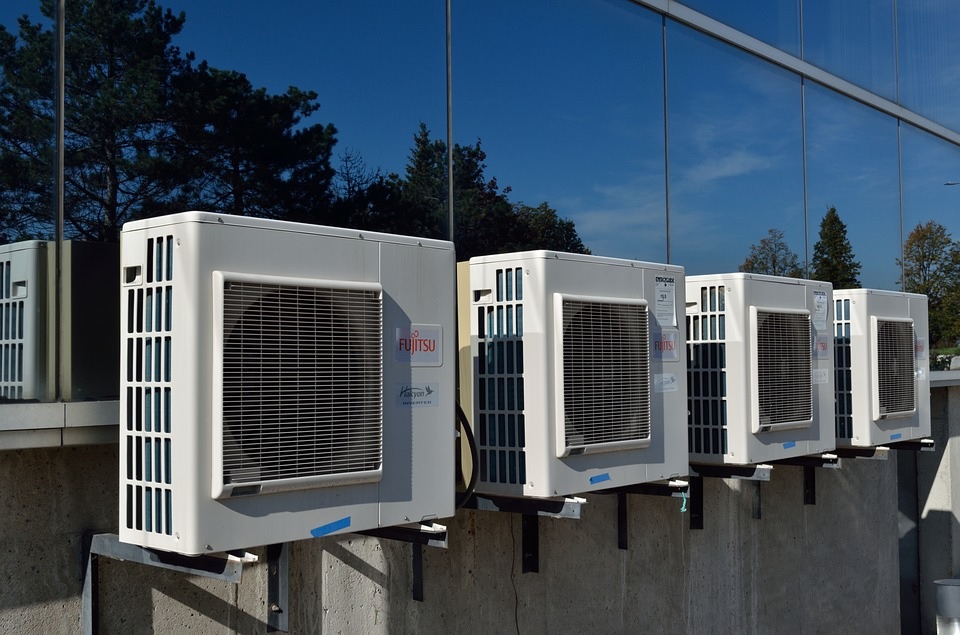
The core of an HVAC system, a compressor is important to the cooling and heating of a house. Propelling coolant inside an HVAC emits heat. However, if this heat gets too strong, the system may shut down.

https://pixabay.com/en/air-conditioner-global-warming-1185041/


Compressor Overload: What does it mean?

Thermal overload of an AC compressor is a very common cause of breakdown, and usually happens on the coldest or hottest days of the season, when the system has to work overtime. The overload is responsible for component failures 49% of the times. It is a serious and expensive problem if it progresses. Depending on the system’s age, it may result in you having to completely replace the system.

Compressor Burn Out: What causes it?

The main causes of compressor burnout is neglect by homeowners, careless maintenance and installation, including,
      
  1. Dirty condenser coils.
      2. A dirty air filter.

      3. Undercharged or overcharged refrigeration system

      4.Refrigerant leaks.

      5. Acid burnout.

      6. Other heat sources situated near the condenser (hot water pipes, dryer vent).
      7. Improper airflow due to poor system location (covered by deck, weeds or bushes).

      8. Improper airflow due to debris (trash within external system components, grass                     clippings).

      9. Failure of other components (capacitor, fan motor, reversing valve, thermal expansion           valve, refrigerant lines, etc.).

     10. Corroded wires and loose connections, or inadequate electricity supply into home, leading to             high amperage / low voltage problems.

How do you prevent compressor overloads from damaging the whole system?


Never neglect homeowner maintenance.

It is important that you change the air filter after every three months. Also, make sure you clear debris around the external system, preserving 18-36 inches of clearance at all sides.

Hire a HVAC professional you can trust.

Extending the compressor’s life requires accurate installation performed by a knowledgeable professional, and routine professional maintenance that includes verification of refrigerant levels, connections, lubrication, coil cleaning, and maintenance of operation as per the manufacturer’s specifications to ensure system longevity.

Consider extra protection.

Adding a compressor overload protector can safeguard your HVAC system. Located nearby the condenser, this special sensor monitors temperatures, shutting down the compressor temporarily to prevent it from overheating. By turning your system off to let the compressor cool, can help prevent thermal overload of the AC compressor and give you an indication that your system needs repair before the problems become too costly.

In case your compressor is overheating, it is important to understand why, as just replacing components may lead to the problem repeating itself again. In case your system is experiencing increased incidence of overheating, make sure you call for help immediately. The professionals will check your system and find out what is wrong. It is a good idea to hire a service that has good reviews.